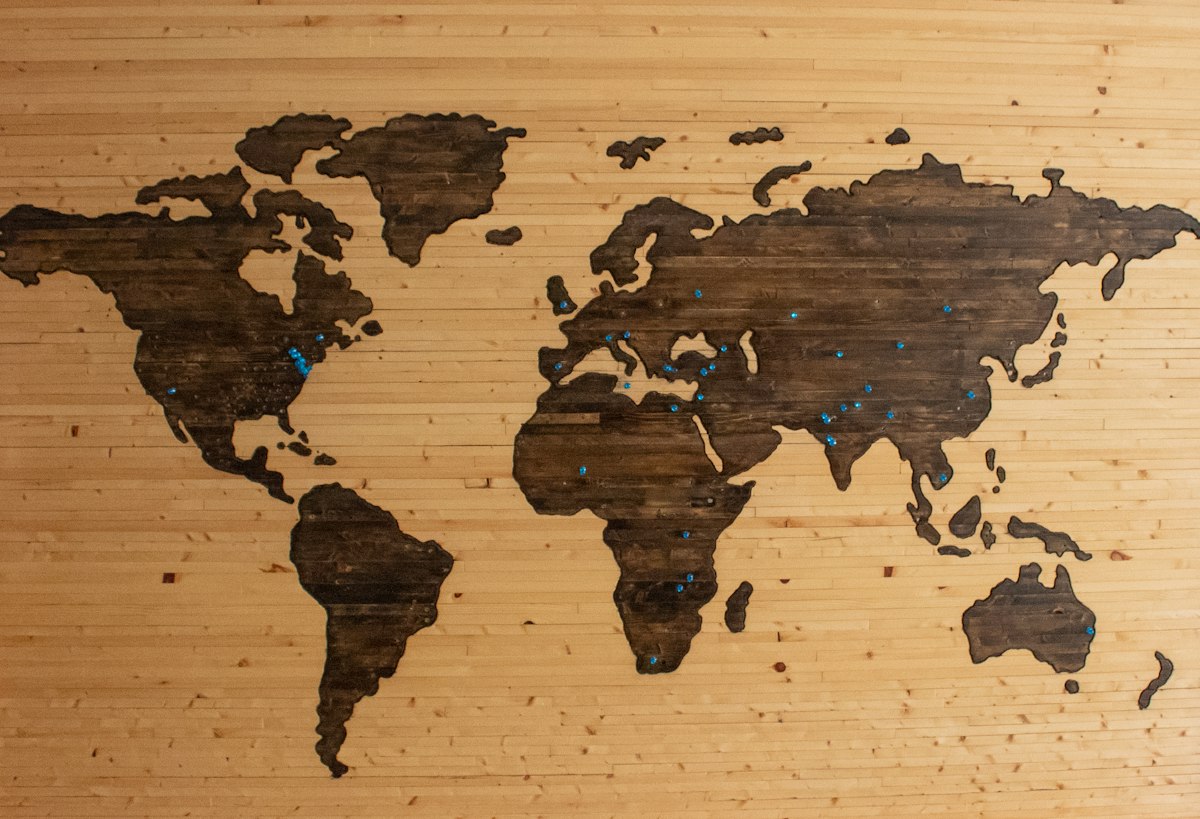
Three regions, three profiles
The "best" offshore region depends entirely on your priorities. A Series A startup optimizing for cost makes a different choice than an enterprise prioritizing timezone overlap. Let's break down each region honestly.
India
Strengths
- Cost: The most competitive rates globally. Senior developers at $30–$50/hr.
- Scale: 5.8 million developers — the largest talent pool by far. You can build a 50-person team in weeks.
- English proficiency: High. India ranks among the world's largest English-speaking populations.
- Engineering culture: Deep roots in IT services. IIT system produces world-class engineers.
Considerations
- Timezone: 10.5–13.5 hours ahead of US. Limited overlap with West Coast (early morning for US, late evening for India).
- Quality variance: Huge talent pool means wider quality distribution. Rigorous vetting is essential.
- Attrition: Competitive market means developers get poached. Build retention strategies early.
Best for: Cost-sensitive startups, large team builds, 24/7 development cycles, companies that can manage async communication well.
Eastern Europe (Poland, Romania, Ukraine, Czech Republic)
Strengths
- Quality: Strong computer science education system. Eastern European developers consistently rank in the top 10 on HackerRank globally.
- Timezone: 6–8 hours ahead of US East Coast. 4–6 hours of overlap is easily achievable.
- Cultural alignment: Work culture closely mirrors Western European and US norms.
- Communication: Direct, clear communication style that US teams find easy to work with.
Considerations
- Cost: Premium rates compared to India/LATAM. Senior developers at $50–$80/hr.
- Scale: Smaller talent pool. Building a 30+ person team takes time.
- Geopolitical risk: Some regions carry stability concerns. Poland and Romania offer the most stability.
Best for: Quality-first companies, enterprise clients, projects requiring close timezone collaboration, teams that value cultural similarity.
Latin America (Brazil, Argentina, Colombia, Mexico)
Strengths
- Timezone: The killer advantage. 0–3 hours from US timezones. Near-perfect overlap.
- Cultural affinity: Strong cultural connections with the US. Similar work styles and communication norms.
- Growing talent pool: 1.8 million developers and growing rapidly. Strong government investment in tech education.
- Nearshore travel: 3–6 hour flights from major US cities. Easy for in-person visits.
Considerations
- Cost: Mid-range. Senior developers at $40–$65/hr. More expensive than India, cheaper than Eastern Europe.
- English proficiency: Varies. Brazil has lower English proficiency on average; Argentina, Colombia, and Mexico are stronger.
- Specialization depth: Generalists are abundant, but niche skills (ML, blockchain) may have smaller pools.
Best for: US companies that need maximum timezone overlap, collaborative agile teams, companies that value frequent in-person visits.
Decision matrix
| Priority | Best Region |
|---|---|
| Lowest cost | India |
| Best timezone overlap (US) | Latin America |
| Highest individual quality | Eastern Europe |
| Largest team (20+) | India |
| Real-time collaboration | Latin America |
| Enterprise/compliance | Eastern Europe |
The hybrid approach
Many mature companies use a hybrid model: a core team in Latin America for real-time collaboration, with a larger team in India for scale. This gives you the best of both worlds — timezone overlap where you need it and cost efficiency where you don't.

Rajat Jain
Full-stack developer and digital marketing expert with over a decade of experience building data-driven platforms.
LinkedIn